
You step outside on a warm summer evening, flip on the porch light, and within minutes, large buzzing beetles are bouncing off the siding, circling the light fixture, and sometimes even flying straight toward you. If you’ve lived in northern New Jersey for any length of time, you’ve probably experienced an encounter with a June bug.
Despite their name, June bugs don’t disappear when June ends. In fact, homeowners throughout Sparta, Newton, Andover, Branchville, and surrounding communities often continue seeing them well into August, especially after periods of warm, rainy weather.
The good news is that June bugs don’t bite people or damage the inside of your home. The not-so-good news is that they can signal a larger lawn problem lurking just below the surface.
At Bustabug Pest Control, we receive plenty of questions every summer about these noisy nighttime visitors. Here’s what every New Jersey homeowner should know.
What Is a June Bug?
June bugs, also called June beetles or May beetles, are large, reddish-brown beetles that belong to the scarab beetle family. Most adults measure between one-half and one inch long and are easy to recognize by their hard shell, loud buzzing flight, and habit of crashing into almost anything in their path.
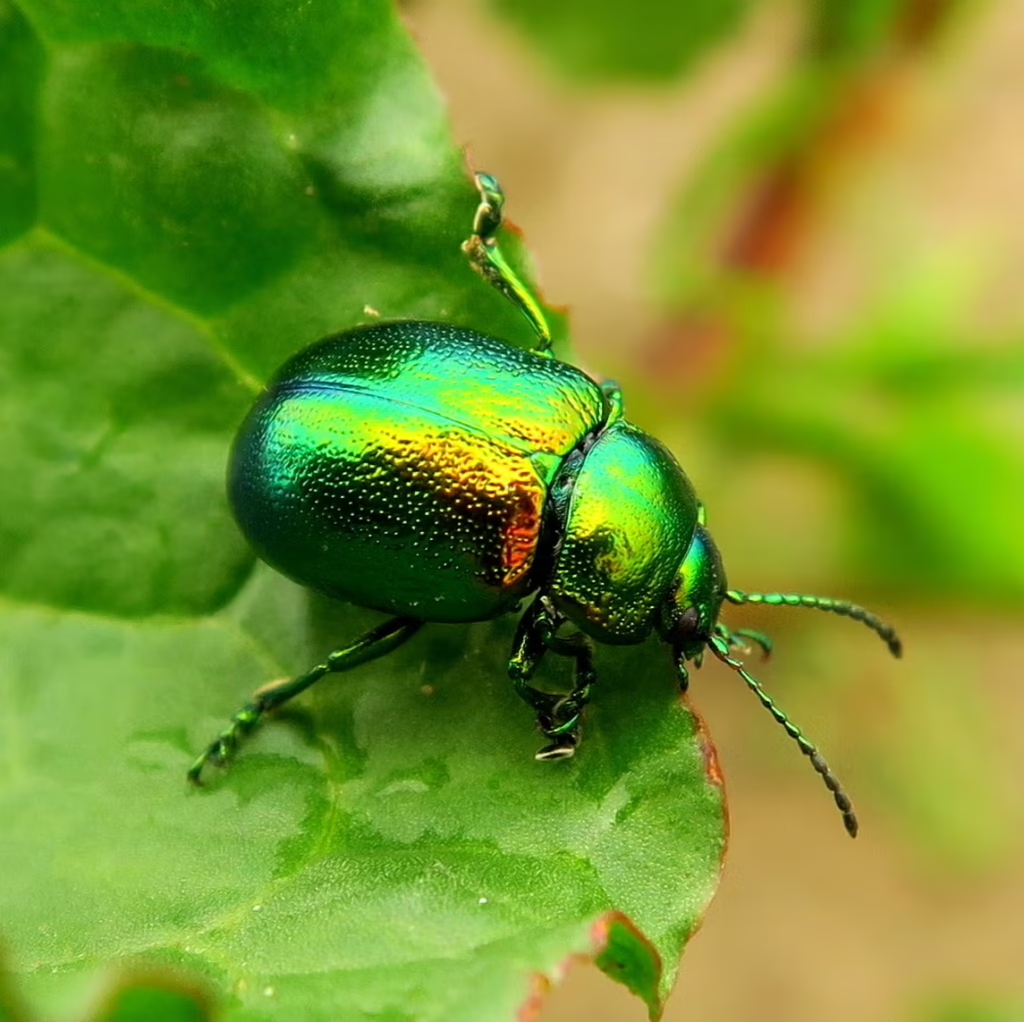
Unlike many insects, June bugs aren’t particularly graceful flyers. Their large bodies make them clumsy in the air, which explains why they often bump into windows, porch lights, outdoor furniture, and occasionally unsuspecting people.
While they can be startling, they’re generally harmless to humans.
Why Are There So Many June Bugs This Year?
If it seems like June bugs are everywhere this summer, you’re not imagining it.
Several factors can increase their activity:
Warm Summer Evenings
June bugs become most active after sunset when temperatures remain warm. Northern New Jersey’s humid summer nights provide ideal conditions for adult beetles to emerge and search for mates.
Recent Rainfall
The rainy weather many parts of Sussex County, Morris County, and Warren County have experienced creates favorable conditions for developing grubs beneath the soil. Moist ground helps young larvae survive and makes it easier for adult beetles to emerge.
Healthy Lawns
Well-watered lawns often support larger grub populations. While a lush lawn looks great, it can also become an attractive nursery for June bug larvae.
Why Are June Bugs Attracted to Lights?
One of the biggest complaints homeowners have is seeing dozens of June bugs around porch lights and garage lights every evening.
Like many nighttime insects, June bugs use natural light sources to help navigate. Bright artificial lights can confuse them, causing them to circle homes instead of continuing on their normal flight path.
LED lights tend to attract fewer insects than traditional white bulbs, but no outdoor light is completely bug-proof.
If you’re noticing large numbers gathering around your home every night, it may be worth adjusting your outdoor lighting or turning unnecessary lights off when possible.
Do June Bugs Bite?
No.
Despite their intimidating size and loud buzzing, June bugs do not bite people, sting, or spread diseases.
They’re more interested in finding mates than bothering homeowners.
If one flies into you, it’s almost always accidental. Their awkward flight makes collisions common, but they’re not being aggressive.
The Real Problem Is Underground
While adult June bugs are mostly a nuisance, their young are another story.
June bug larvae are commonly known as white grubs, and they live underground feeding on grass roots.
Large grub populations can cause:
- Brown patches throughout your lawn
- Grass that pulls up easily like loose carpet
- Thin or dying turf
- Increased watering needs
- Irregular lawn damage during late summer
Many homeowners don’t realize the damage is caused by grubs until entire sections of grass begin dying.
June Bugs Can Attract Other Pests
Another reason to pay attention to June bug activity is that grubs attract wildlife looking for an easy meal.
Animals commonly dig for grubs, including:
- Skunks
- Raccoons
- Moles
- Crows
- Opossums
If you’ve noticed holes appearing in your yard overnight, it may not be the animals causing the original problem. They’re often responding to an existing grub infestation beneath the lawn.
Treating the source can help discourage repeat visits from nuisance wildlife.
Can You Prevent June Bugs?
You probably won’t eliminate every June bug from your property, but you can reduce the conditions that attract them.
Helpful steps include:
- Turn off unnecessary outdoor lights at night.
- Replace bright white bulbs with warm-colored LEDs when possible.
- Water lawns only as needed.
- Keep shrubs and landscaping trimmed.
- Monitor lawns for early signs of grub damage.
- Schedule lawn inspections if you notice brown patches developing.
Early action is much easier than repairing extensive lawn damage later in the season.
When Should You Call Bustabug Pest Control?
Seeing one or two June bugs around your porch isn’t unusual.
However, you should consider professional help if:
- You’re seeing dozens of June bugs every night.
- Your lawn has unexplained brown or thinning areas.
- Wildlife is digging throughout your yard.
- You suspect a large grub population beneath your lawn.
- The insects have become a recurring seasonal problem.
A professional inspection can determine whether the beetles are simply passing through or whether there’s a larger issue developing beneath your property.
Frequently Asked Questions
Are June bugs common in New Jersey?
Yes. June bugs are found throughout New Jersey and are especially active during warm summer evenings from late spring through August.
Why are they called June bugs if it’s August?
Adult June bugs begin emerging in June, but many remain active throughout July and August depending on weather conditions.
Can June bugs damage my house?
No. June bugs do not damage homes, furniture, or structural wood. Their larvae, however, can damage lawns by feeding on grass roots.
Why do June bugs keep flying into me?
They’re not attacking you. June bugs are poor flyers and are easily distracted by lights, often bumping into nearby objects and people.
Do June bugs bite or sting?
No. June bugs are harmless to people and pets.
Should I be worried if I see a lot of June bugs?
Large numbers of adult beetles may indicate a healthy breeding population nearby, which could mean white grubs are developing in local lawns.
What eats June bugs?
Birds, bats, frogs, skunks, raccoons, and moles all feed on June bugs or their larvae.
Enjoy Summer—Not the Bugs
A few June bugs around the porch light may be part of summer in New Jersey, but large numbers, lawn damage, or wildlife digging can point to a bigger pest issue. Addressing the problem early can help protect your lawn and reduce future infestations.
If you’re concerned about June bugs, white grubs, or other seasonal pests, Bustabug Pest Control is here to help. We proudly serve homeowners throughout Sussex County, Morris County, Warren County, and the surrounding communities with reliable, effective pest control solutions tailored to New Jersey’s changing seasons.
Contact Bustabug Pest Control today to schedule an inspection and keep your property healthy all summer long.