TERMITES
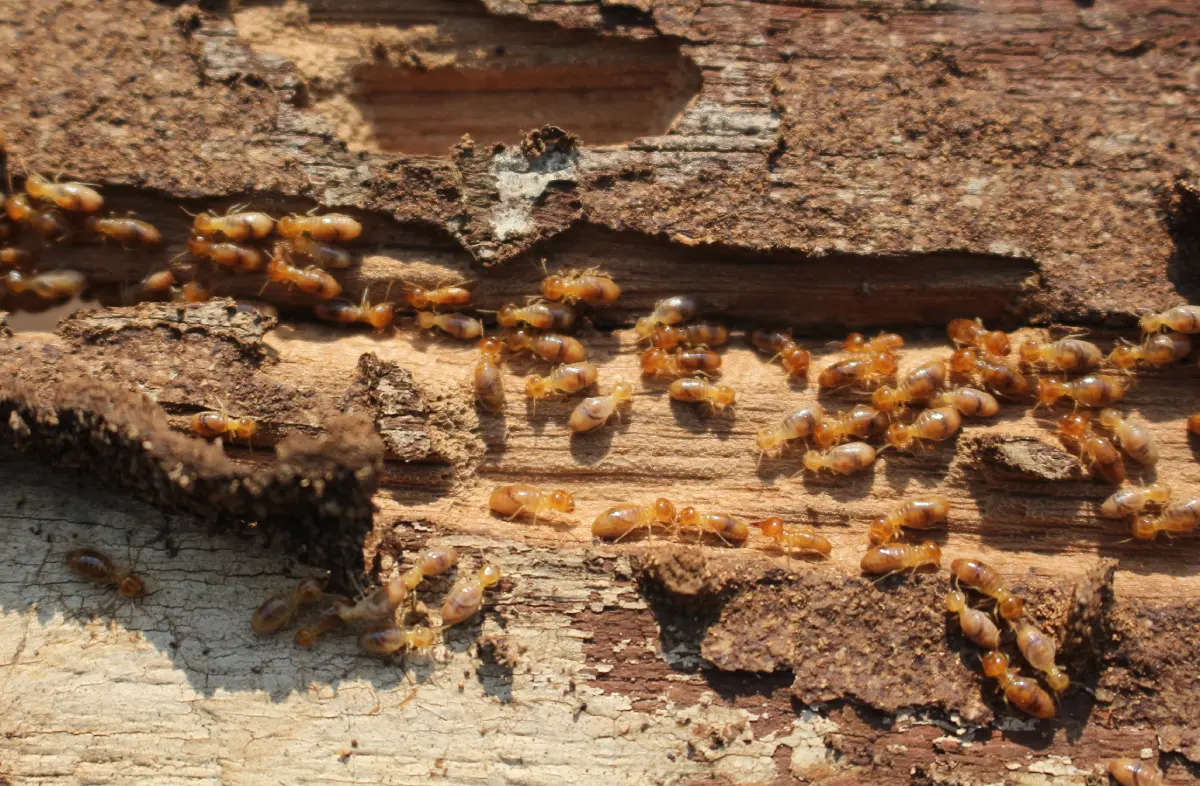
New Jersey is home to many pests, but none are more damaging than termites. Termites cause a lot of destruction to buildings. Termites are known as “silent destroyers” because they can chew through wood, flooring, and wallpaper unnoticed for years. Because damage often occurs behind walls or under floors, it may go unnoticed until it’s advanced.
Termites feed on wood, flooring, and drywall, weakening the structural integrity of a home. They can damage support beams, joists, studs, and subfloors, leading to sagging floors, warped walls, or even collapse in extreme cases.
Eastern subterranean termites are the most common species in New Jersey. They live underground and enter homes through cracks in foundations or wood-to-soil contact.
Early action is key when dealing with termites, as they can cause a lot of damage quickly. Bustabug Pest Control can get rid of your termite infestation quickly. Call us today to schedule your inspection.
Termite Treatment
Pest control companies use several professional methods to treat termites, depending on the severity and location of the infestation. The most common termite treatment options are:
- Liquid termiticide barrier treatment. This is the most common treatment for subterranean termites. A liquid pesticide is applied around the home’s foundation and soil. It creates a barrier that kills or repels termites before they enter. This method may involve trenching, drilling, or rodding to reach underground colonies.
- Termite bait systems. These bait stations are strategically placed around the home. Termites feed on the bait and carry it back to the colony, killing others. This method is slower than liquid treatment but effective for long-term colony elimination. It is monitored and maintained regularly by the pest control company.
- Wood treatment. These are surface sprays, foams, or injected products used to treat wood directly. They help protect or kill termites in accessible areas like attics or crawl spaces. They are useful for spot treatments or preventive maintenance.
- Fumigation. Also known as tenting, fumigation is used for drywood termites only. The entire structure is enclosed in a tent and filled with a gas (usually sulfuryl fluoride). While it kills all termites inside, it does not prevent future infestations. Fumigation is typically reserved for severe or widespread infestations.
Preventing Termites
Here are effective termite prevention tips to protect your home from costly damage:
- Eliminate wood-to-soil contact. Keep wooden parts of your home (like siding, decks, and door frames) at least 6 inches above the ground. Use concrete or metal supports for fences, porches, and steps.
- Control moisture. Fix leaky pipes, gutters, and downspouts promptly. Ensure proper drainage around the foundation.
- Use termite-resistant materials. When building or remodeling, consider pressure-treated wood or naturally resistant woods like cedar or redwood. Concrete, metal, and vinyl are also termite-proof options.
Contact Us Today
Termites are highly damaging pests that can silently ruin a home’s foundation, cost thousands in repairs, and are rarely covered by insurance. Regular inspections and preventive treatment are essential.When termites infest your home, you need to act quickly. Count on Bustabug Pest Control for quick and effective termite control. Schedule an inspection today by filling out the online form, calling (973) 721-9197, or emailing bustabugpestcontrol@gmail.com.
PEST SERVICES
TESTIMONIALS
Jonathan
One of the best companies in the area! I had a big issue in the house, and Rob was able to handle it in a timely manner. He did not mind answering all the questions My wife and I had. He answered them in professionally and respectfully manner. Very reasonable in price. I highly recommend them to anybody that’s looking to get rid of any type of Pest Control issue.